Source Crystal Wine Glass for Business Gifts, Weddings, and Bars
Find 30 Crystal Wine Glass options for business gifts, weddings, and bar service. Compare rectangular goblets, handblown designs, and custom sizes from suppliers in China to match your specific drinking needs.
Key considerations
Products List


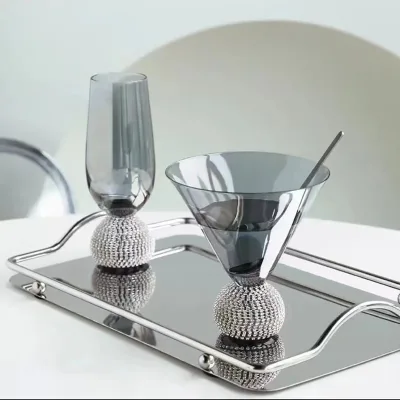
Luxury Diamond Encrusted Crystal champagne Glass Diamond Wine Glass Wholesale
$1.10 - $1.18
MOQ: 1000 pieces

Comprehensive Sourcing Guide
Crystal Wine Glass Sourcing Guide
Sourcing crystal wine glasses requires a nuanced understanding of material composition, manufacturing techniques, and commercial terms that distinguish premium glassware from standard alternatives. Buyers must navigate a market where terminology is often used loosely, with "crystal" ranging from lead-free soda-lime glass to high-lead content materials that offer superior brilliance and acoustic properties. The following guide provides evidence-based procurement strategies for sourcing crystal wine glasses, focusing on verification of material claims, technical specifications, and supplier reliability to ensure alignment with brand standards and regulatory requirements.
This guide is structured to help procurement professionals evaluate listings, verify technical details, and establish robust quality control protocols. By focusing on observable listing signals and mandatory compliance documentation, buyers can mitigate risks associated with mislabeled products, inconsistent quality, and supply chain disruptions. The insights provided are derived from observed market data and trusted category knowledge, offering a practical framework for making informed sourcing decisions in the competitive drinkware sector.
Product Scope and Observed Listing Signals
The observed market for crystal wine glasses reveals a diverse range of product attributes, with materials explicitly listed as crystal, glass, and crystal glass. Listings frequently highlight specific shapes such as rectangular goblets and contemporary designs, indicating a trend toward modern aesthetic preferences in both home and commercial settings. The presence of customization options, including logo acceptance and custom packaging, suggests that many suppliers cater to branded retail and corporate gifting markets, where distinct visual identity is paramount. Buyers should note that while "crystal" is a common descriptor, the actual material composition can vary significantly, necessitating careful verification of product descriptions.
Observed listing signals also include specific model numbers and production types, such as whiskey glasses, red wine glasses, and champagne glasses, which point to specialized product lines within the broader category. The availability of samples and stock items indicates a flexible supply chain capable of supporting both trial orders and immediate fulfillment needs. However, the variation in origin locations, including Shanxi and Guangdong in China, highlights the importance of assessing regional manufacturing capabilities and logistical considerations. Buyers must cross-reference these listing details with direct supplier communication to confirm the accuracy of material claims and production capacities.
Technical Specifications to Verify
Verifying the technical specifications of crystal wine glasses is critical to ensuring product performance and aesthetic quality. Key attributes to confirm include the material composition, specifically whether the glass contains lead or is lead-free, as this impacts both safety and the refractive index that defines crystal's characteristic sparkle. Buyers should also verify the manufacturing technique, such as handblown versus machine-pressed, as this affects the uniformity, thickness, and overall durability of the glassware. The presence of custom size acceptance and specific model numbers, such as G061.3522 or RN0056G series, suggests that suppliers offer tailored solutions, but buyers must ensure that these customizations do not compromise structural integrity.
Additional technical details to scrutinize include the design style, such as modern or creative, and the intended usage, which may range from restaurant service to artistic decoration. The color and transparency of the glass, often described as clear or transparent, should be consistent with brand expectations, and any recycled content claims must be substantiated by supplier documentation. Buyers should also inquire about the specific dimensions and weight of the glasses, as these factors influence stacking efficiency, storage requirements, and the overall user experience. Confirming these specifications early in the sourcing process helps prevent discrepancies between sample and bulk production.
Compliance and Safety Documentation
Compliance with safety standards is non-negotiable when sourcing crystal wine glasses, particularly given the potential health implications of lead content in traditional crystal. Buyers must request documentation verifying that the product meets relevant food contact safety regulations, such as those governing heavy metal migration limits. While specific standards are not universally mandated in all markets, buyers should insist on certificates of compliance or test reports from accredited laboratories to confirm that the glassware is safe for repeated use with beverages. This is especially important for products marketed as lead-free crystal, where claims must be backed by rigorous analytical testing.
In addition to material safety, buyers should verify that the supplier adheres to broader quality management standards, which can indicate a commitment to consistent production practices. Documentation related to the recycling content of the glass, if claimed, should also be reviewed to ensure alignment with sustainability goals and regulatory requirements in target markets. Buyers must ensure that all compliance documentation is current and covers the specific product models being sourced, as variations in material composition or manufacturing processes can affect compliance status. Proactive verification of these documents helps mitigate legal and reputational risks associated with non-compliant products.
Cost Drivers and Commercial Terms
Understanding the cost drivers for crystal wine glasses is essential for effective budgeting and negotiation. Key factors influencing price include the material composition, with lead-free crystal often commanding a premium due to the complexity of production and raw material costs. The manufacturing technique, such as handblown versus machine-made, also significantly impacts pricing, as labor-intensive processes result in higher unit costs. Buyers should also consider the impact of customization, including logo printing and custom packaging, which can add to the overall expense but may enhance brand value and marketability.
Commercial terms, such as minimum order quantities (MOQ) and supply ability, play a crucial role in determining the feasibility of sourcing arrangements. Observed MOQs range from 10 to 2000 pieces, offering flexibility for both small-scale trials and large-volume orders. Supply ability figures, such as 50,000 pieces per month, indicate the production capacity of suppliers, which buyers should align with their demand forecasts to ensure timely delivery. Negotiating favorable payment terms and lead times is also important, as these factors can affect cash flow and inventory management. Buyers should seek clarity on all commercial terms upfront to avoid unexpected costs or delays.
Supplier Qualification and Quality Control
Supplier qualification is a critical step in the sourcing process, requiring a thorough assessment of the supplier's capabilities, reputation, and quality control systems. Buyers should verify the supplier's production facilities, including their equipment, workforce expertise, and quality assurance protocols, to ensure they can consistently meet specified requirements. Requesting references or case studies from previous clients can provide insights into the supplier's reliability and performance history. Additionally, buyers should assess the supplier's responsiveness and communication skills, as these factors are indicative of their ability to manage the sourcing relationship effectively.
Quality control measures should be established early in the partnership to ensure that products meet agreed-upon standards. This may include pre-production sample approvals, in-process inspections, and final random inspections before shipment. Buyers should define clear acceptance criteria for defects, such as chips, cracks, or inconsistencies in color and shape, and ensure that the supplier has a robust process for addressing non-conformities. Implementing a structured quality control plan helps minimize the risk of receiving substandard products and ensures that the final goods align with brand expectations. Regular audits and performance reviews can further reinforce quality standards and drive continuous improvement.
Long-Term Procurement Checks
Establishing long-term procurement checks is vital for maintaining product quality and supplier performance over time. Buyers should implement a system for periodic re-evaluation of suppliers, including assessments of their financial stability, operational efficiency, and compliance with evolving regulations. This ongoing monitoring helps identify potential risks early and allows for proactive management of the supply chain. Buyers should also maintain open lines of communication with suppliers to address any emerging issues and foster a collaborative relationship that supports mutual growth and success.
Continuous improvement initiatives should be encouraged, with buyers providing feedback on product performance and market reception to help suppliers refine their offerings. Tracking key performance indicators, such as on-time delivery rates, defect rates, and customer satisfaction scores, can provide valuable insights into supplier effectiveness. Buyers should also stay informed about industry trends and technological advancements that may impact the sourcing of crystal wine glasses, such as new materials or manufacturing techniques. By adopting a strategic and proactive approach to long-term procurement, buyers can secure a reliable supply of high-quality crystal wine glasses that meet their evolving business needs.
FAQs
What materials are used for these wine glasses?
The wine glasses are crafted from crystal, glass, or crystal glass materials. These materials ensure clarity and durability for business gifts and wedding occasions. Custom sizes are accepted to meet specific requirements for restaurant or home use.
Can I customize the logo and packaging?
Yes, customized logos and custom packaging are available for these products. Buyers can request specific designs for business gifts or wedding events. The supplier accepts customization requests to align with unique branding needs.
What is the minimum order quantity for these glasses?
The minimum order quantity ranges from 10 to 2000 units depending on the specific model. Some listings specify an MOQ of 20 pieces or 24 pieces for standard orders. Buyers should verify the exact requirement for their selected product model.
Where are these crystal wine glasses manufactured?
These glasses originate from manufacturing locations in Shanxi and Guangdong, China. The production facilities handle various styles including contemporary and modern designs. Buyers can source from these regions for bulk orders of tableware.
How is the production capacity for bulk orders?
The supply ability reaches up to 50,000 pieces per month for glass cups. This capacity supports large orders for restaurants, bars, or decorative purposes. The production includes handblown techniques and various models like G061.3522.
Are samples available for quality verification?
Samples are available for buyers to verify quality before placing bulk orders. This allows assessment of the handblown techniques and transparent color. Buyers can request samples to ensure the product meets their specific occasion needs.